
Shin splints, tendon pain, bone stress — these injuries build up gradually, settle with rest, and come back as soon as you push hard again. Getting on top of them means finding and fixing the load that’s driving the problem, not just waiting for the pain to settle.
An overuse injury develops when a structure, whether a tendon, bone, or muscle, is asked to absorb more load than it can manage repeatedly over time. Unlike an acute injury that happens in a single moment, overuse injuries build gradually. The warning signs are often there early, a dull ache after training, stiffness the morning after a run, a tendon that feels thick and sore to touch, but they get ignored until the pain is impossible to train through.
They’re most common in runners, triathletes, and athletes in sports with repetitive loading patterns. In Cairns, where people train outdoors year-round, we see a lot of them.
Shin splints, also known as medial tibial stress syndrome, produce pain along the inner shin that comes on during running and lingers after. They’re most common in runners increasing mileage too quickly. The key distinction to make early is whether you’re dealing with shin splints or a bone stress reaction, because the management approach is quite different.
Bone stress injuries sit on a spectrum from a bone stress reaction, where the bone is being remodelled faster than it can adapt, through to a stress fracture, where there is an actual crack. Both produce localised bone pain that worsens with weight-bearing activity and improves with rest. If we suspect a bone stress injury, imaging is usually warranted before continuing to load. Continuing to train through a stress fracture can lead to a complete fracture.
Tendinopathy is the clinical term for a tendon that has been overloaded and is no longer functioning normally. Common sites include the Achilles, patellar tendon, and gluteal tendons. The pain is typically localised to the tendon itself, worse with the first few steps in the morning or after prolonged sitting, and aggravated by loading activities. Passive rest does not resolve tendinopathy. The evidence-based approach is progressive loading, which gradually rebuilds the tendon’s capacity to handle force.
Both cause shin pain in runners, but the management is very different. Stress fractures require a significant reduction in load and sometimes complete rest from impact, while shin splints can be managed with modified training.
If you’re unsure which one you’re dealing with, come in for an assessment before continuing to train. Running through a stress fracture carries real risk.
Our process starts with a thorough assessment to identify the structure involved, the load that caused it, and the contributing factors. From there we build a plan specific to you.
01
We identify the structure, the stage of the injury, and the training or lifestyle factors driving it. For suspected bone stress injuries, we’ll advise on whether imaging is needed before we proceed.
02
Depending on the condition, treatment may include soft tissue work, dry needling, joint mobilisation, and taping to reduce load on the affected structure while rehab begins.
03
We explain what’s going on, what you can and can’t do during recovery, and give you a realistic return-to-training timeline. For most overuse injuries, some modified activity is possible throughout rehab.
04
Progressive loading is the foundation of overuse injury rehab. We build the tissue’s capacity back up gradually, then increase training load in a controlled way so the injury doesn’t return when you get back to full volume.
Far North Physio is a Cairns-based physiotherapy clinic with a strong background in sports and musculoskeletal care. We see a high volume of running, triathlon, and field sport athletes across the Cairns region, and overuse injuries are a regular part of our caseload.
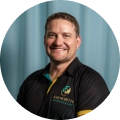
Physiotherapist
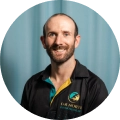
Physiotherapist

Physiotherapist

Physiotherapist
Mild shin splints with the right load management typically settle within four to six weeks. More persistent cases or those where training has continued through the pain can take longer. The key is modifying load early rather than pushing through, which is what extends recovery time for most people. Bone stress reactions take longer, usually eight to twelve weeks, and stress fractures longer still depending on the site and severity.
In most cases, yes, but the volume and intensity need to be reduced and managed carefully. Completely stopping activity is not usually the best approach for tendinopathy because tendons respond to load, and total rest can actually slow recovery. The goal is to find a training load the tendon can tolerate, maintain that while starting a progressive loading program, and then build back up. We’ll help you work out what that load looks like for your situation.
This is a classic tendinopathy pattern. Tendons warm up with activity and often feel better mid-run, which makes it easy to underestimate how much load they’re absorbing. The stiffness and pain the next morning is the tendon responding to the previous day’s load. Using this pattern as a guide, how the tendon feels the morning after a session, is actually one of the best ways to monitor whether your training load is appropriate during rehab.
Not always. For tendinopathy and most shin splint presentations, a clinical assessment is enough to guide treatment. Imaging becomes more useful when there is diagnostic uncertainty, when we need to rule out a stress fracture, or when symptoms aren’t responding as expected. We’ll advise on whether a scan is warranted after your assessment.
No. You can book directly without a GP referral. Most private health extras policies cover physiotherapy. If your GP has referred you under a Chronic Condition Management Plan, you may be eligible for bulk billed appointments with participating physiotherapists.
If you’re stuck in a cycle of niggles, flare-ups, and enforced rest, a proper assessment is where it starts. Book your first visit and leave with a clear diagnosis and a load management plan that keeps you moving.
Trusted by the Northern Pride & 5000+ Local Patients.